Taoist Prayer Guide 2026: Which Taoist Deities to Worship for Wealth, Health, Academic Success & Peace?
I. Taoist Worship for Wealth: Tips to Welcome the God of Wealth
Key Answer: Different Taoist deities fit different people seeking positive wealth, partial wealth, or business luck in Taoism. Mastering the right Taoist prayer methods will help you attract wealth more effectively—solving the core question: “Which Taoist deity should I worship for wealth?”
1. The Main God of Wealth – Marshal Zhao Gongming (Zheng Caishen)
As the core Taoist god of wealth (Zheng Caishen), Marshal Zhao Gongming leads four wealth stars. He blesses stable positive wealth (Zheng Cai) and smooth partial wealth (Pian Cai), making him the top choice for anyone seeking wealth in Taoism.
Wishes You Can Make: Salary increases and no petty troubles for office workers; prosperous business and smooth cash flow for entrepreneurs; reasonable partial wealth (Pian Cai, like bonuses or legal investment gains) for ordinary people; risk avoidance and stable customers for business owners.
Practical Tips: The best times to worship for wealth are the 5th day of the first lunar month (Welcoming the God of Wealth), the 15th day of the third lunar month (Marshal Zhao’s birthday), and the 1st and 15th of each lunar month. Before worshiping, wash your hands, wear clean clothes, burn three incense sticks, hold them above your head, and silently recite your name, birth date, and specific wealth wish. Then bow three times. If placing a statue at home, put it in a clean place—never facing a bathroom or kitchen!
Offering Guidelines: Choose vegetarian offerings like apples (safe wealth), oranges (prosperous wealth), and round pastries (complete wealth), plus clean water. Change them daily if possible! Avoid pomegranates (scattered wealth), plums (lost wealth), meat, and rotten fruits.
Pro Tip: Taoist prayer alone isn’t enough! Pair it with honest work and hard effort. Don’t forget to repay your vow (Huan Yuan) once your wish comes true—it shows sincerity in Taoist worship!
2. Martial God of Wealth – Emperor Guan (Guan Yu, Wu Caishen)
Emperor Guan is both a protector and a martial god of wealth (Wu Caishen) in Taoism. He focuses on “honest wealth and loyalty in business.” Perfect for entrepreneurs, collaborators, and travelers—it’s all about “righteous wealth (Yi Cai)”!
Wishes You Can Make: Smooth cooperation and fewer disputes for business owners; career success and noble help for office workers; safe travels and successful negotiations for business travelers; protection for shops and freedom from trouble.
Practical Tips: Place his statue facing the door at home or in your shop (to ward off evil and attract wealth). Change the water daily to keep the shrine clean. Worship on the 1st and 15th of each month, focusing on “righteous wealth” and smooth cooperation. To repay a vow, offer fruits, donate to charity, or give a silk banner.
Offering Guidelines: Vegetarian offerings with tea (Emperor Guan loves tea)—follow the same standards as Marshal Zhao. Avoid meat, alcohol (check local temple rules), and sharp objects like scissors (they symbolize losing wealth).
3. Civilian Gods of Wealth – Bi Gan & Fan Li (Wen Caishen)
These two civilian gods of wealth (Wen Caishen) have different focuses in Taoism, but both are great for stable positive wealth (Zheng Cai). Choose based on your needs!
Bi Gan
Wishes You Can Make: Salary increases and stable careers for office workers and civil servants; steady wealth and protection from financial losses for ordinary people.
Practical Tips: Worship on the 1st and 15th of each month, or extra before payday. Follow the same steps as Marshal Zhao, focusing on “stable wealth.” Place his statue in the study or living room, keep it clean.
Offering Guidelines: Plain vegetarian offerings (like white pastries, water, or white radish). Add a bowl of rice for “abundant salary.” Avoid meat and bright, greasy foods.
Fan Li
Wishes You Can Make: Smooth cash flow and business growth for entrepreneurs; stable customers and increasing income for small business owners.
Practical Tips: Worship more before peak business seasons. Burn three incense sticks, recite your wish, and carry a string of copper coins (symbolizing circulating wealth) to keep after praying. Worship on the 1st and 15th; place the statue facing the shop or living room door.
Offering Guidelines: Round offerings (like round pastries or grapes, for circulating wealth) and water. Avoid broken, irregular items and meat.
4. Five-Path God of Wealth (Wu Lu Cai Shen) & Partial Wealth (Pian Cai)
The Five-Path God of Wealth (Wu Lu Cai Shen) brings “wealth from all directions” in Taoism! Great for those seeking small partial wealth (Pian Cai), or people in business, transportation, or tourism. The key: be practical, don’t be greedy!
Wishes You Can Make: Small partial wealth (bonuses, unexpected small gains) for ordinary people; safe travels and smooth wealth for business/transport workers; avoiding travel delays that hurt wealth.
Practical Tips: Worship at the Five-Path God of Wealth Hall in a temple, or silently recite his name at home facing the door. Burn three incense sticks, pray for “wealth from all directions and safe travels”—keep your wish realistic! Never gamble or cut corners—it goes against the spirit of seeking wealth.
Offering Guidelines: Five types of fruits (one for each path), water, and pastries. Arrange them neatly. Avoid meat, spicy food, and too many offerings.
【Bonus: Quick Tips for Taoist Wealth Prayer】
1. Recommended Temples: Zhao Gongming God of Wealth Cultural Area in Xi’an, Emperor Guan Temples, and Wealth Halls in Taoist temples everywhere.
2. Keep Taoist prayer offerings for 1-3 days; change fresh fruits daily to keep them clean.
3. Repay your vow (Huan Yuan) promptly after your wish comes true—don’t make a vow and forget it in Taoist worship!
II. Taoist Worship for Health: Choosing Deities for Healing & Longevity
Key Answer: Different Taoist deities are for healing, recovery, and longevity in Taoist prayer. It’s important to remember: prayer is a supplement, not a replacement for medical treatment! This section solves: “Which Taoist deity should I worship for health?”
1. Medicine King – Immortal Sun Simiao (Yao Wang)
Immortal Sun Simiao is the core Taoist deity for health (Yao Wang). He’s perfect for the sick and their families—he controls medicine and protects people from illness in Taoism. He wrote “Qianjin Fang” (Thousand Golden Prescriptions) and advocated “great medical sincerity”—your top choice for health prayers in Taoism!
Wishes You Can Make: Speedy recovery, successful surgery, and less pain for the sick; improved medical skills for doctors; good health and energy for ordinary people; prayers on behalf of family (clearly state their name, birth date, and illness).
Practical Tips: The most powerful temple is Yaowang Mountain (Medicine King Mountain) in Tongchuan, Shaanxi. Before worshiping in Taoism, wash your hands, wear clean clothes, and pray with compassion. Burn three incense sticks, recite your health wish. For prayers on behalf of others, burn a prayer paper (Shu Wen, with their birth date written on red paper). Worship on the 1st and 15th of each lunar month; the seriously ill can worship simply at home daily (burn one incense stick, recite the wish).
Offering Guidelines: Vegetarian offerings like red dates (nourish blood), longans (peace and completeness), and licorice (detoxify and heal), plus medicinal herbs. You can also offer a copy of “Qianjin Fang.” Avoid meat, spicy food, and strong-smelling items (like garlic or chili).
Pro Tip: Taoist prayer for health is only a supplement! Always seek professional medical treatment and care for faster recovery.
2. Emperor Baosheng – Wu Ben (Bao Sheng Da Di)
Emperor Baosheng (Bao Sheng Da Di) focuses on women’s and children’s health, and healing difficult illnesses in Taoism. He’s widely worshipped in Fujian and Taiwan, controlling plague prevention and protecting women and children—perfect for families!
Wishes You Can Make: Safe delivery and healthy fetus for pregnant women; healthy growth and freedom from illness for children; better physical condition and smooth blood circulation for women; recovery from plagues and difficult illnesses; improved health luck for ordinary people.
Practical Tips: Representative temples are Qingjiao and Baijiao Ciji Temples in Xiamen. Worship on the 2nd and 16th of each lunar month (traditional prayer days in Fujian and Taiwan), bow three times, and recite your health wish. For children, bring a small piece of their clothing, pray with it, and take it home. Pregnant women should pray quietly—no noise!
Offering Guidelines: Light vegetarian offerings (like plain noodles, pastries, apples, bananas) and water. Keep them fresh and neat. Avoid spicy, greasy, meaty food and broken fruits.
3. Zodiac Deity (Ben Ming Xing Jun) & Mother of Stars (Doumu Yuanjun)
Worship these two together for disaster relief, longevity, and overcoming serious illnesses in Taoism! Great for the elderly, the seriously ill, and ordinary people. Mother of Stars (Doumu Yuanjun) is the “mother of all stars,” and your Zodiac Deity (Ben Ming Xing Jun) corresponds to your Chinese zodiac sign—they work together to protect your health and lifespan.
Wishes You Can Make: Longevity, good health, and freedom from serious illness for the elderly; overcoming serious illness, relief from symptoms, and speedy recovery for the seriously ill; avoiding health issues caused by stars for ordinary people.
Practical Tips: Join the “Star Worship” ceremony at a temple (register in advance, bring your birth date). Daily worship at the Mother of Stars Hall or Zodiac Deity Hall—burn three incense sticks, recite your wish. For the elderly praying for longevity, add peach-shaped pastries (symbolizing longevity) and bow three times. Place the statue high in the living room—never in a bathroom or bedroom!
Offering Guidelines: Vegetarian offerings, peach pastries, and water, plus longans, red dates, and lotus seeds (all symbolizing health and longevity). Avoid meat, spicy food, sharp objects, and broken items.
【Bonus: Quick Tips for Taoist Health Prayer】
1. Recite the “Medicine King’s Repentance (Yao Wang Chan)” or offer “Medicine King Lamps (Yao Wang Deng)” to boost your health and speed up recovery in Taoist prayer! 2. You can worship at Sanguan Temples or Heavenly Doctor Halls nearby daily—just remember to pair Taoist prayer with medical treatment! 3. Don’t forget to repay your vow (Huan Yuan) once you recover—it’s a respectful way to show gratitude in Taoist prayer.
III. Taoist Worship for Academic Success: Deities to Bless Your Studies & Career
Key Answer: Different Taoist deities fit different academic needs—exams, civil service tests, professional title evaluations, etc., in Taoist prayer. They help students perform stably and achieve success! This section solves: “Which Taoist deity should I worship for academic success?”
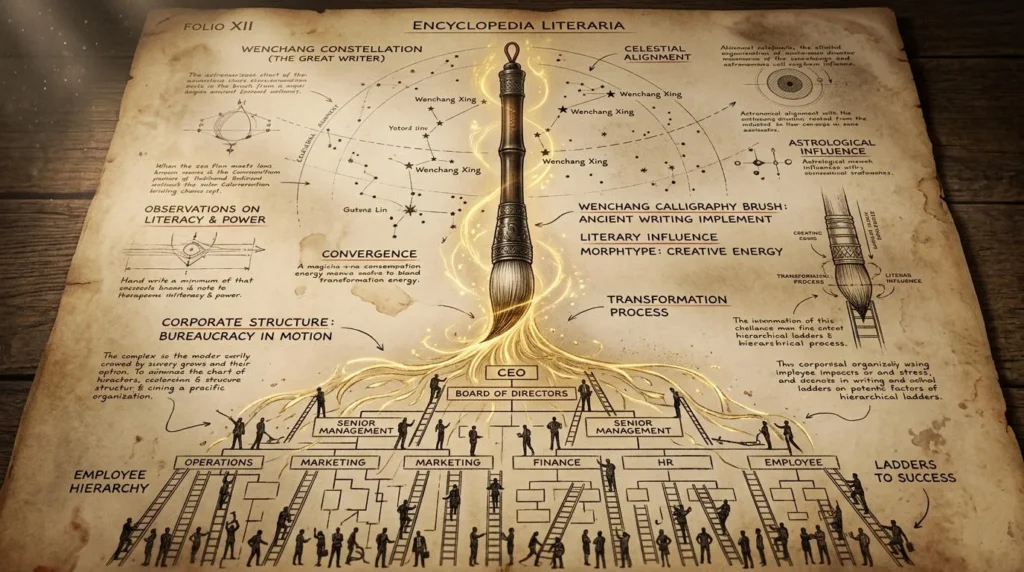
1. Main Deity – Emperor Wenchang (Wen Chang Di Jun)
Emperor Wenchang (Wen Chang Di Jun) is the core Taoist deity for academic success! He’s perfect for anyone related to exams and official careers—he controls academic records and grants wisdom in Taoism. His accompanying deities, Tianlong and Diya, protect exam fairness and keep you calm, making him the top choice for academic prayers in Taoism.
Wishes You Can Make: Smooth exams, stable performance, success in high school entrance exams, college entrance exams, postgraduate exams, and improved memory for students; passing civil service exams, professional title evaluations, and excellent interview performance for office workers; enhanced writing skills, quick thinking, and smooth document work for all.
Practical Tips: The best times to worship for academic success are the 3rd day of the second lunar month (Emperor Wenchang’s birthday), 3 days before the exam, and the exam day itself. Before worshiping, wash your hands, wear clean clothes, burn three incense sticks, hold them above your head, and silently recite your name, birth date, exam information, and academic wish. You can bring your review notes, pray with them in front of the statue, and take them back—this symbolizes receiving blessings. If placing a statue at home, put it in the study and keep the area clean.
Offering Guidelines: Choose offerings with academic meanings, such as celery (diligence), green onions (intelligence), osmanthus (success in exams), and zongzi (passing exams). Use an odd number of offerings. Avoid meat, messy items, broken stationery, and incomplete paper.
Pro Tip: Taoist prayer for academic success only helps you perform stably in exams—it cannot replace hard work and review. Only by combining Taoist prayer with solid preparation can you achieve your ideal results!
2. Kuixing (God of Exams, Kui Xing Dian Dou) – Top of the Class
Kuixing (Kui Xing Dian Dou) focuses on exceptional exam performance and standing out from the crowd in Taoist prayer. He’s perfect for highly competitive exams. Worshiping him together with Emperor Wenchang (Wen Chang Di Jun) will further enhance the effect of your academic prayers.
Wishes You Can Make: Exceptional performance, smooth answering, and accurate question-reading in all exams; standing out from competitors and achieving top results; relieving exam anxiety, staying calm, and showing your true ability.
Practical Tips: Face Kuixing’s statue and softly recite “Kuixing dian dou, du zhan ao tou” (Kuixing points the dipper, standing alone on the turtle’s head—meaning top performance). You can bring a note with your academic goal (such as “Smooth college entrance exam” or “Successfully get admitted”), burn it in front of the statue or keep it at home safely. When worshiping with Emperor Wenchang, worship Emperor Wenchang first, then Kuixing, following the same procedure as Emperor Wenchang.
Offering Guidelines: Choose the Four Treasures of the Study (writing brush, ink, paper, inkstone), osmanthus cakes, and oranges (prosperous future). Arrange them neatly. Avoid broken stationery, incomplete paper, and meat.
3. God Zhu Yi (Zhu Yi Shen Jun) & Immortal Lü Dongbin (Pure Yang, Lü Zu)
Both God Zhu Yi (Zhu Yi Shen Jun) and Immortal Lü Dongbin (Pure Yang, Lü Zu) are supplementary deities for academic success in Taoism. They help improve writing skills and interview performance respectively. Worshiping them together with Emperor Wenchang (Wen Chang Di Jun) and Kuixing (Kui Xing) will further strengthen the effect of Taoist academic prayers.
God Zhu Yi
Wishes You Can Make: Higher scores in Chinese exams, thesis writing, and composition for liberal arts students; improved writing skills and smooth literary luck for all.
Practical Tips: Worship once the day before the exam—burn three incense sticks, recite your wish simply and sincerely. You can worship together with Emperor Wenchang and reuse his offerings; no need to prepare separate ones.
Offering Guidelines: Choose the Four Treasures of the Study, pastries, and water. Avoid broken stationery and meat.
Immortal Lü Dongbin (Pure Yang)
Wishes You Can Make: Stable performance, fluent expression, and recognition from examiners for interviewees and speakers; smooth exams and improved skills for art, medical, and other skill-based students.
Practical Tips: Worship before interviews, speeches, or skill-based exams—burn one or three incense sticks, recite your wish solemnly. No need for separate enshrinement; you can worship together with other academic deities.
Offering Guidelines: Choose plain tea and fruits (apples, oranges)—simple and solemn. Avoid meat and spicy food.
【Bonus: Guide to Worshiping Emperor Wenchang (Wen Chang Di Jun) for Academic Success】
1. Recommended Ancestral Temple: Qiqu Mountain Temple in Zitong, Sichuan. Wenchang Halls (Wen Chang Dian) and Confucian Temples everywhere are also suitable for academic worship in Taoism.
2. Worship daily on the 1st and 15th of each lunar month to accumulate blessings continuously.
3. Repay your vow (Huan Yuan) promptly after exam success—you can pass on your academic luck by donating books and notes.
IV. Taoist Worship for Peace: Main Deities for Disaster Relief & Blessings
Key Answer: Different Taoist deities fit different peace wishes in Taoist prayer, such as resolving Tai Sui (Hua Tai Sui), safe travel, and family peace. The practical methods are simple and easy to understand, protecting people’s smoothness throughout the year. This section solves: “Which Taoist deity should I worship for peace?”
1. Yearly Tai Sui God (Zhi Nian Tai Sui)
The Yearly Tai Sui God (Zhi Nian Tai Sui) is the core Taoist deity for peace. He’s suitable for people who commit Tai Sui (Fan Tai Sui)—when your Chinese zodiac sign has a “Zhi, Chong, Xing, Hai, Po” relationship with the Yearly Tai Sui. In 2026 (the Year of the Horse, Bingwu), the Yearly Tai Sui God is General Wen Zhe—he’s the core choice for resolving Tai Sui (Hua Tai Sui) and seeking peace in Taoism.
Wishes You Can Make: Resolving Tai Sui conflicts (Hua Tai Sui) for those who commit Tai Sui (Fan Tai Sui), improving setbacks in career, health, and interpersonal relationships, and staying away from all disasters; praying for year-round peace, smooth fortune, and no major obstacles for ordinary people in Taoist prayer.
Practical Tips: Before the 15th day of the first lunar month, ask a formal Taoist priest to install Tai Sui (An Tai Sui), receive a formal Tai Sui Talisman (Tai Sui Fu), and place it safely in a clean, high place at home (never in a bedroom or bathroom) to help seek peace. Worship with three incense sticks on the 1st and 15th of each lunar month, silently reciting your peace wish. Around the 24th day of the twelfth lunar month, you need to thank Tai Sui (Xie Tai Sui)—go to a temple to offer sacrifices, burn the Tai Sui Talisman (Tai Sui Fu), and never discard it randomly to complete the whole year’s Tai Sui resolution (Hua Tai Sui) and peace prayer cycle in Taoism.
Offering Guidelines: Choose offerings for peace such as apples (peace), oranges (smoothness), pastries, and water. Arrange them neatly and keep them fresh. Avoid meat, sharp objects, and broken, rotten fruits.
Taboo Reminder: Never buy Tai Sui Talismans (Tai Sui Fu) online, place them randomly, or touch them casually. After installing Tai Sui (An Tai Sui), avoid doing illegal or immoral things—practice the etiquette and original intention of seeking peace in Taoist prayer.
2. Holy Mother of Heaven – Mazu (Tian Shang Sheng Mu)
Mazu (Tian Shang Sheng Mu) comprehensively protects people’s peace in Taoism, focusing on safe travel and the peace of women and children. Whether in coastal or inland areas, there are Mazu Temples (Tian Hou Gong) for worship—she’s a convenient choice for people seeking peace during travel and for families.
Wishes You Can Make: Safe travel (driving, taking buses, taking ships, etc.) and staying away from traffic accidents; peace of women and children in the family and healthy growth of children; staying away from water and fire disasters and unexpected accidents; praying for year-round peace and smoothness for ordinary people.
Practical Tips: Before traveling, burn three incense sticks, silently recite your travel time, location, and the wish of “safe travel.” Worship daily on the 2nd and 16th of each lunar month (Mazu’s traditional prayer days). If placing a statue at home, face it towards the door, change the water daily, keep the statue clean and tidy, and never move it randomly.
Offering Guidelines: Choose flowers (lilies, carnations, etc.), fruits (apples, bananas, oranges), and pastries for peace. Arrange them neatly. Avoid meat, greasy food, and strong-smelling items.
3. Home Protection – Heavenly Master Zhong Kui (Zhong Kui Tian Shi) & Emperor Zhenwu (Zhen Wu Da Di)
Both Heavenly Master Zhong Kui (Zhong Kui Tian Shi) and Emperor Zhenwu (Zhen Wu Da Di) focus on home protection (Zhen Zhai), warding off evil spirits (Bi Xie), and protecting the family in Taoism. They are suitable for families with restless homes, children crying at night, or frequent nightmares. They can be worshipped separately or together to further strengthen the effect of home protection (Zhen Zhai) and peace prayer.
Heavenly Master Zhong Kui (Zhong Kui Tian Shi)
Wishes You Can Make: Protecting the home from evil spirits and resolving home disasters; relieving children’s night crying and shock symptoms; protecting family members’ peace and staying away from evil spirits (Bi Xie); improving poor home feng shui (Zhai Shui).
Practical Tips: Hang a consecrated portrait of Zhong Kui (Zhong Kui Tian Shi) at home, place it inside the entrance door or in the study (never in the bedroom) to help protect the home (Zhen Zhai) and seek peace. Worship with three incense sticks on the 15th of each lunar month, silently reciting the wish of “protecting the home (Zhen Zhai), warding off evil spirits (Bi Xie), and family peace.” When a child cries at night, you can put a copy of Zhong Kui’s portrait beside the child’s bed (not too close) and recite the Heavenly Master’s name to relieve the child’s shock.
Offering Guidelines: Choose plain tea, fruits, and pastries for peace. Avoid meat, spicy food, and sharp objects.
Emperor Zhenwu (Zhen Wu Da Di)
Wishes You Can Make: Home peace and eliminating evil spirits (Bi Xie); staying away from home disasters and improving frequent nightmares; protecting family members’ peace and staying away from all disasters; improving the overall fortune of the home (Zhai Yun).
Practical Tips: You can worship Emperor Zhenwu at the Zhenwu Hall in a temple—burn three incense sticks and recite your wish. If placing a statue at home, put it in a high place in the living room, never in an unclean place like a bedroom or bathroom. Worship daily on the 1st and 15th of each lunar month.
Offering Guidelines: Choose water, vegetarian offerings, and fruits for peace. Avoid spicy, meaty food, and unclean offerings.
4. Three Officials (Sanguan) Emperor (San Guan Da Di)
The Three Officials (Sanguan) Emperor (San Guan Da Di) is the comprehensive first choice for seeking peace in Taoism. The Heavenly Official (Tian Guan) grants blessings, the Earthly Official (Di Guan) pardons sins, and the Water Official (Shui Guan) relieves disasters. He is suitable for the whole family’s peace and resolving all kinds of setbacks—he’s the core deity for the whole family to seek peace in Taoism.
Wishes You Can Make: Peace and smoothness for the whole family and staying away from all disasters; resolving your own karmic obstacles and improving your year-round fortune; praying for the health of the whole family for families with the elderly and children; praying for fortune turning and disaster relief for those with poor year-round fortune.
Practical Tips: Worship the Three Officials Emperor separately on the 3rd day of each lunar month (Heavenly Official’s Blessing Day), the 15th day (Earthly Official’s Sin Pardoning Day), and the 30th day (Water Official’s Disaster Relief Day), praying for the corresponding peace wishes. You can bring the names and birth dates of all family members and offer a prayer tablet under the guidance of a Taoist priest. When worshiping at the Three Officials Hall in a temple, burn three incense sticks and bow three times.
Offering Guidelines: Choose mainly vegetarian offerings and water for peace, paired with apples, bananas, and pastries. Arrange them neatly. Avoid meat, sharp objects, and broken offerings.
【Bonus: Quick Tips for Taoist Peace Prayer】
1. Tai Sui Talismans (Tai Sui Fu) and Zhong Kui’s portraits must be consecrated through formal Taoist temples and follow the temple procedures to ensure the effect of seeking peace in Taoist prayer.
2. The core of seeking peace in Taoism is doing good deeds and being cautious in words and deeds—only with good intentions can you receive the protection of the deities.
3. Repay your vow (Huan Yuan) promptly after a year of peace and smoothness to express gratitude.
V. Conclusion: You Can Pray to the Gods, But Ultimately Rely on Yourself (with Taoist Prayer Quick Reference Table)
Taoist deities each have their own duties. Worshiping the right deity with sincerity is the key to Taoist prayer, but the protection of the deities is only assistance. Ultimately, a smooth life depends on your own efforts: seeking wealth requires honest struggle, health requires medical cooperation, academic success requires diligent review, and peace requires good intentions. With correct thoughts and good deeds, your Taoist prayer wishes will come true as scheduled.
Bonus: Taoist Prayer Quick Reference Table (accurately corresponding to wishes, main deities, and key practical points for quick lookup in Taoist worship)
|
Taoist Prayer Wishes |
Primary Deity to Worship (Taoist Deities) |
Auxiliary Deities/Choices |
Key Festivals/Practical Points |
|
Taoist Worship for Wealth (positive wealth, partial wealth, business luck) |
Marshal Zhao Gongming (Main God of Wealth, Zheng Caishen) |
Emperor Guan (Wu Caishen), Bi Gan/Fan Li (Wen Caishen), Five-Path God of Wealth (Wu Lu Cai Shen) |
5th day of the first lunar month, 15th day of the third lunar month; 1st and 15th of each lunar month, mainly vegetarian offerings |
|
Taoist Worship for Health (healing, recovery, longevity) |
Immortal Sun Simiao (Medicine King, Yao Wang) |
Emperor Baosheng (Bao Sheng Da Di), Mother of Stars (Doumu Yuanjun), Zodiac Deity (Ben Ming Xing Jun) |
Worship at Yaowang Mountain; 1st and 15th of each lunar month, paired with medical treatment |
|
Taoist Worship for Academic Success (exams, civil service, professional titles) |
Emperor Wenchang (Wen Chang Di Jun) |
Kuixing (Kui Xing), God Zhu Yi (Zhu Yi Shen Jun), Immortal Lü Dongbin (Lü Zu) |
3rd day of the second lunar month (Emperor Wenchang’s birthday); worship before exams, bring review notes for blessing |
|
Taoist Worship for Peace (resolving Tai Sui, home protection, travel safety) |
Yearly Tai Sui God (Zhi Nian Tai Sui) |
Mazu (Tian Shang Sheng Mu), Heavenly Master Zhong Kui (Zhong Kui Tian Shi), Three Officials Emperor (San Guan Da Di) |
Install Tai Sui in the first lunar month, thank Tai Sui in the twelfth lunar month; worship regularly every month |
Glossary
This article involves professional terms related to Taoist prayer (Taoist worship). We will explain them in detail combined with practical scenarios to help you understand and correctly practice Taoist prayer, avoiding improper prayer due to term confusion.
Positive Wealth (Zheng Cai) & Partial Wealth (Pian Cai)
Positive Wealth (Zheng Cai): Stable income obtained through your own hard work, such as salary and business revenue—it’s the main source of wealth in Taoist wealth prayer. Partial Wealth (Pian Cai): Additional income beyond positive wealth, such as bonuses, legal investment gains, and unexpected small gains—it’s only a supplement to positive wealth in Taoist wealth prayer. Avoid being greedy or impetuous.
Yearly Tai Sui (Zhi Nian Tai Sui)
In Taoism, the Tai Sui God takes turns to be in charge of the year according to the sixty-year cycle—one per year (General Wen Zhe in 2026, the Year of the Horse, Bingwu). He is in charge of the good and bad luck of the world in the year, specifically resolving setbacks caused by Tai Sui conflicts, and protecting people from seeking peace and smooth fortune in Taoist prayer.
Committing Tai Sui (Fan Tai Sui)
When your Chinese zodiac sign has five relationships (“Zhi, Chong, Xing, Hai, Po”) with the Yearly Tai Sui, you are committing Tai Sui (Fan Tai Sui). People who commit Tai Sui are prone to career setbacks, poor health, and poor interpersonal relationships. You can resolve this by installing Tai Sui (An Tai Sui) and worshiping Tai Sui to help seek peace in Taoism.
Installing Tai Sui (An Tai Sui) & Thanking Tai Sui (Xie Tai Sui)
Installing Tai Sui (An Tai Sui): Before the 15th day of the first lunar month, ask a formal Taoist priest to enshrine the Tai Sui Talisman (Tai Sui Fu), pray for Tai Sui’s protection, and resolve conflicts—it’s the core prayer method for people who commit Tai Sui (Fan Tai Sui) to seek peace in Taoism. Thanking Tai Sui (Xie Tai Sui): Around the 24th day of the twelfth lunar month, go to a temple to thank Tai Sui for his protection for a year, burn the Tai Sui Talisman (Tai Sui Fu), and complete the cycle of Taoist prayer.
Home Protection & Warding Off Evil Spirits (Zhen Zhai Bi Xie)
In Taoism, it’s a prayer method to drive away evil spirits in the home, resolve home disasters (such as poor home feng shui and frequent setbacks), and protect home peace and family safety by enshrining deities and placing consecrated statues. Portraits of Heavenly Master Zhong Kui (Zhong Kui Tian Shi) and Emperor Zhenwu (Zhen Wu Da Di) are commonly used for home protection (Zhen Zhai Bi Xie).
Three Officials (Sanguan) Emperor (San Guan Da Di)
Three deities in Taoism who are in charge of granting blessings, pardoning sins, and relieving disasters—Heavenly Official (Tian Guan, granting blessings), Earthly Official (Di Guan, pardoning sins), and Water Official (Shui Guan, relieving disasters), collectively known as the Three Officials (San Guan Da Di). They can comprehensively protect people from seeking peace, resolve all kinds of disasters and setbacks, and are suitable for the whole family to pray for peace in Taoism.
Prayer Paper (Shu Wen)
A document used in Taoist prayer to convey wishes and communicate with deities. It needs to fill in your name, birth date, wishes and other information, and burn it in front of the statue. It is commonly used in prayer scenarios such as seeking health and resolving Tai Sui (Hua Tai Sui). It must be purchased from a formal Taoist temple and cannot be made casually.
I want to pray for a salary increase and smooth business— which Taoist deity should I worship?
The first choice is Marshal Zhao Gongming (Zheng Caishen). He is the core God of Wealth in Taoism, suitable for both office workers seeking salary increases and entrepreneurs seeking smooth business and cash flow. If you are doing cooperative business and want to seek honest wealth (Yi Cai), you can also worship Emperor Guan (Wu Caishen) together to protect smooth cooperation, stay away from disputes, and further improve the effect of seeking wealth in Taoist prayer.
A family member is ill—I want to pray for their recovery on their behalf in Taoism. What should I do?
You can pray on behalf of your family member. The first choice is to worship Immortal Sun Simiao (Yao Wang), the core deity for health in Taoism. Before worshiping, wash your hands, wear clean clothes, burn three incense sticks, and clearly recite the family member’s name, birth date, and specific illness. You can also write the family member’s birth date on red paper and burn it in front of the statue (Shu Wen).
My child is going to take the college entrance exam—besides Emperor Wenchang, which other deities can I worship for help?
In addition to Emperor Wenchang (the core deity for academic success in Taoism), you can also worship Kuixing. Kuixing focuses on exceptional exam performance and standing out from the crowd. Worshiping him together with Emperor Wenchang will have a better effect on academic prayers. If your child is a liberal arts student and wants to improve their composition and thesis scores, you can also worship God Zhu Yi. If there is an interview link, worshiping Immortal Lü Dongbin can help with fluent expression and recognition from examiners.
I am committing Tai Sui this year and want to pray for year-round peace—what specific preparations do I need to make?
First, before the 15th day of the first lunar month, ask a Taoist priest from a formal temple to help install Tai Sui, receive a formal Tai Sui Talisman, and place it in a clean, high place at home (not in the bedroom or bathroom) to help seek peace. Worship with three incense sticks on the 1st and 15th of each lunar month, silently reciting your peace wish. Around the 24th day of the twelfth lunar month, go to the temple to thank Tai Sui, burn the Tai Sui Talisman, and never discard it randomly. This completes the whole year’s Tai Sui resolution and peace prayer.
What are some simple and easy-to-remember precautions for enshrining deity statues at home?
Three core precautions: First, place the statue in a clean and tidy place, avoid facing the bathroom or kitchen, and do not place it in the bedroom—consistent with Taoist prayer etiquette. Second, it is recommended to change the water for worship daily, and keep fresh fruits for 1-3 days to avoid spoilage. Third, wash your hands and wear clean clothes when worshiping, be sincere, and burn three incense sticks—no need to be too cumbersome, highlighting the sincerity of Taoist prayer.
Do I have to repay my vow after my prayer wish comes true? How to repay it well?
Yes, you must repay your vow—it’s an important tradition in Taoist prayer, and you cannot only make a vow without repaying it. You can repay your vow according to the size of your wish. For a simple vow, you can offer fruits and plain tea, following the same procedure as when praying. For a more important wish, such as exam success or recovery from a serious illness, you can donate to charity or go to the temple where you originally worshiped to express your gratitude.
Can I pray for multiple wishes at the same time? For example, both seeking wealth and family health.
Yes, you can pray for multiple wishes at the same time—no need to pray separately multiple times. It is recommended to be clear about your priorities and not be too greedy. For example, you can first worship Marshal Zhao Gongming to seek wealth, then worship Immortal Sun Simiao to pray for family health, and clearly state each wish when reciting silently. You can also worship the Three Officials Emperor, who can comprehensively protect the whole family’s peace and resolve all kinds of setbacks, suitable for praying for multiple wishes at the same time.
Do I have to go to a temple to pray? Is there a difference between praying at home and praying at a temple?
No, you don’t have to go to a temple—you can also pray at home. For daily prayer, enshrine the consecrated statue of the corresponding deity at home, keep sincerity, and follow the same procedure as in the temple. The difference is that on important occasions such as the God of Wealth’s birthday, Emperor Wenchang’s birthday, and installing Tai Sui, worshiping at the temple has a stronger blessing power. Daily simple worship at home is enough for prayer.